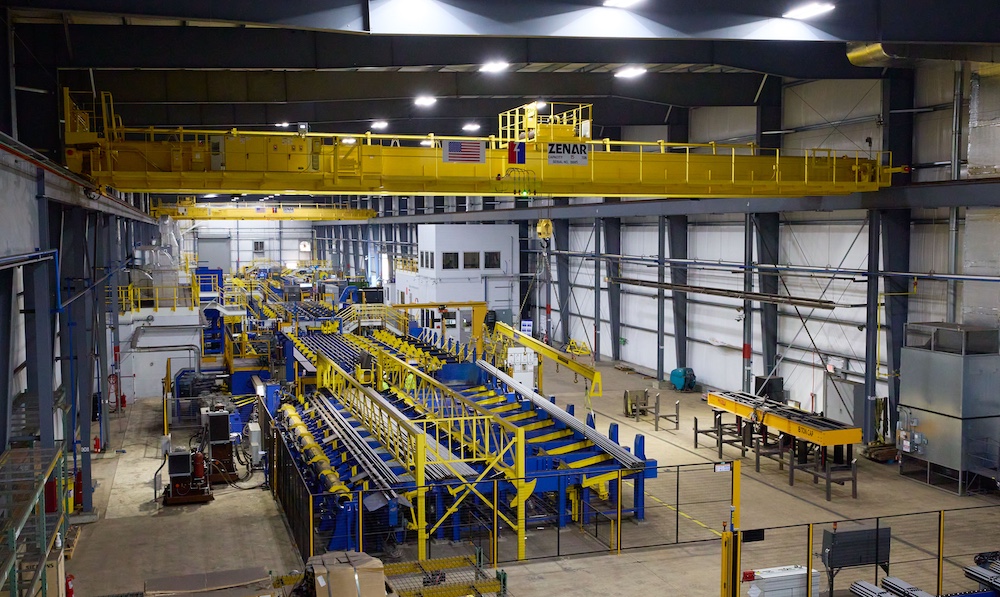
Special Bar Quality (SBQ) steel is a high-quality carbon and alloy steel produced as long products such as bars and rods. Known for its superior properties and performance in high-stress applications, SBQ steel often requires tighter tolerances, superior surface finishes and advanced equipment to meet the demands of complicated applied loads. To provide high-quality SBQ that our customers in the forging, automotive and heavy machinery industries can rely on, the Charter Steel team utilizes two different methods of non-destructive testing (NDT) upon request, including ultrasonic testing (UT) and magnetic flux leakage testing (MFLT), which can also incorporate magnetic particle testing. Keeping these capabilities in mind, let’s first break down what NDT means—and why it matters.
What is Non-Destructive Testing?
Testing is generally considered a critical step in any industry, but for some SBQ applications it is absolutely vital. Used in demanding applications that require additional scrutiny, in addition to the advanced production methods, such as controlled melting, casting and rolling processes that are needed for SBQ. In addition to having strict production standards, proper metallurgical inspection can be used to ensure that the steel is free of any detrimental imperfections that could affect the product’s quality. While certain anomalies can be spotted by the naked eye, NDT is used to automatically detect defects and address SBQ-specific needs.As the name suggests, non-destructive testing is a form of inspection that evaluates steel without altering or damaging it. Its purpose is to assess the material’s condition and quality after rolling, allowing our team to validate the finished product quality.
In our Cleveland facility, Charter Steel employs two types of automated NDT.
Ultrasonic Testing
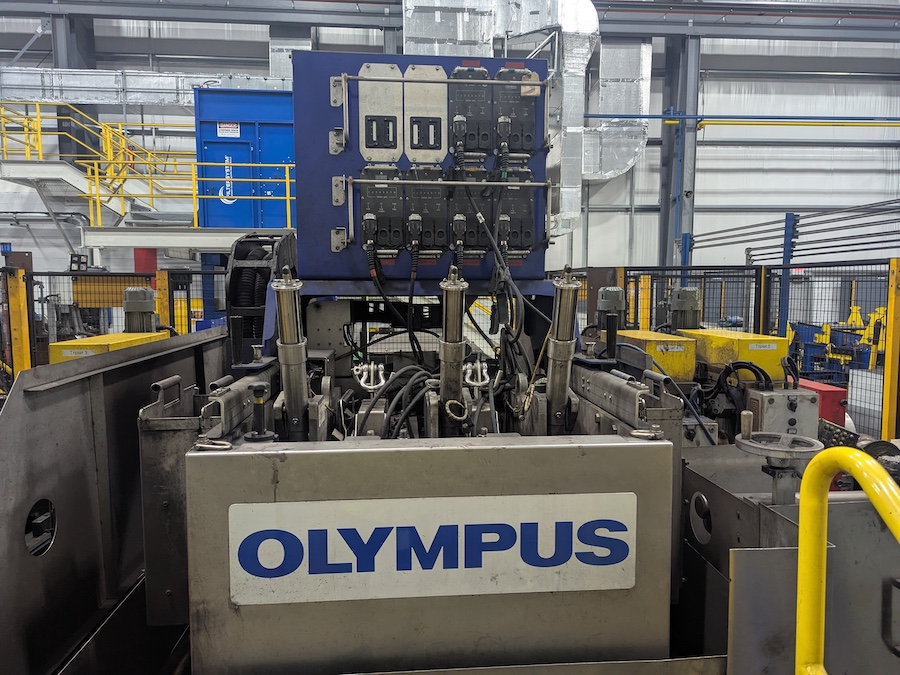
Ultrasonic testing is a method of non-destructive metallurgical analysis that detects center soundness and subsurface imperfections within the steel. By passing ultrasonic sound waves through the bars, our equipment can detect issues like porosity, cracks, contaminants, voids and other imperfections. We use the
Magnetic Flux Leakage Testing
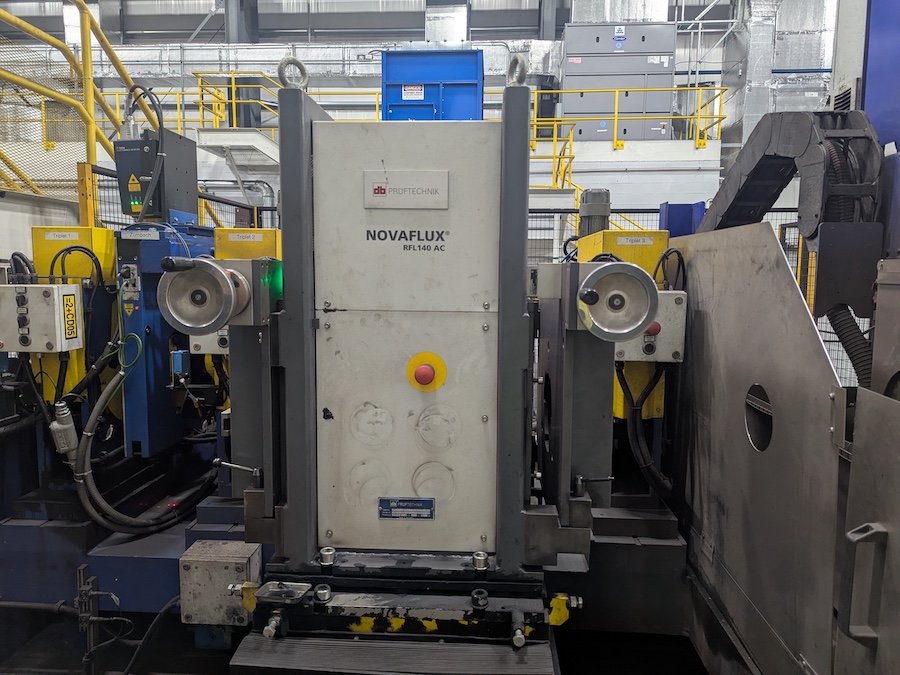
Magnetic flux leakage testing (MFLT) is another inspection technique Charter Steel uses to assess the quality of SBQ bars without damaging the product. The system generates an AC magnetic field, which generates a magnetic flux inside the steel bar. If the bar has an inconsistency in its surface, the magnetic field is deviated, and a leakage flux is generated. The sliding probes detect the leakage flux and that signal is sent back to the software. These imperfections are typically not visible to the naked eye, making MFLT an essential tool for assessing steel quality. Magnetic particle testing is also used offline to verify the MFLT findings and can incorporate grinding out surface imperfections.
Why Is Non-Destructive Testing Important for SBQ Applications?
Manufacturers that require SBQ often have strict specifications that the steel must meet for their applications, leaving no room for detrimental surface or subsurface imperfections. At Charter Steel, we employ NDT upon request to ensure our steel consistently meets these rigorous standards.But what would happen if these imperfections weren’t identified early in the value chain?
If a crack, lap, or void wasn’t caught by the steel supplier and that steel made its way through component manufacturing, then all the way to the final application, it could cause the component to perform poorly. Such imperfections can compromise product performance, endanger safety, and lead to costly downtime or recalls.
To circumvent a serious mishap, steel that is free from detrimental defects is key. With strict steelmaking process controls and proactive inspection, Charter Steel can help ensure the integrity of your steel.
Leverage Charter Steel’s Non-Destructive Testing to Problem-Solve
With a strong commitment to our customers, the Charter Steel team has made it a practice to go above and beyond, acting as a trusted partner to help your business succeed. This means that we can leverage our non-destructive testing capabilities before we ship your steel, but we’re also available if your team needs to investigate how, why and where a steel component issue may have occurred. A collaborative effort is key to maximizing the overall performance of any application.Like the way we use our ultrasonic testing and magnetic flux leakage testing to validate the physical properties of your steel, we can also apply these methods to perform an in-depth metallurgical laboratory analysis of the component made from it. Simply provide our team with physical samples from the suspect production lot, and we will begin with non-destructive testing to assess the quality of the steel in your samples, before moving on to our destructive analysis methods.
Partner With Charter Steel for All Your NDT Needs
At Charter Steel, the move into Special Bar Quality steel is a natural evolution of decades of expertise, allowing us to help our customers succeed with true reliability.In applications where NDT is needed, having these capabilities in house is one way we stand apart from the competition. Relying on third-party vendors can often introduce delays or uncertainty, but we control the SBQ process from start to finish so we can meet your timelines and specifications.
More than just another steel supplier, Charter Steel is your ally.
To experience the difference in quality and service, contact us at Commercial@CharterSteel.com.
To learn more about our capabilities in SBQ, visit https://sbq.chartersteel.com/.